What is Group Sync?
Group Sync is a structured practice where 5-7 people meet regularly, sit in a circle, and use a simple card deck and ball to synchronize their nervous systems.
It takes 20 minutes. It requires no facilitator. It has no agenda beyond showing up consistently.
And it works at a level that most interventions — individual or organizational — never reach.

Why it works
The human nervous system is a social organ. It evolved over millions of years in small groups of five to seven people whose nervous systems synchronized automatically; sharing the biological load of survival, distributing the weight of stress and threat assessment, and accessing a level of collective intelligence that no individual can generate alone.
Modern neuroscience is unambiguous about what happens when nervous systems synchronize: stress hormones drop, heart rate variability improves, prefrontal access expands, and the group begins to think in ways that none of its members could manage individually. The group becomes more than the sum of its parts.
Most of us no longer have that group. We compensate — through individual effort, therapy, optimization, distraction — without realizing that the biology was never designed to work this way. The problem isn't us. The problem is that we're doing a group job alone.
Group Sync restores the missing piece.
What a session looks like
Breathe. The group opens with three shared breaths — the biological signal that tells every nervous system in the room: we're in this together.
Ask. Someone reads a question from a card. A one-word check-in. A gratitude. Something you're carrying. Brief, contained, real.
Toss. The ball is tossed to decide who answers. No one chooses or is chosen. You catch the ball and share.
Breathe. The group closes with three more breaths.
Twenty minutes. Done.
No therapy. No oversharing. No advice-giving. No facilitator required. Just a small group of people showing up consistently — and giving their nervous systems what they were always designed to have.
The three phases
Phase 1: The Check-Ins — 8 weeks, 25 minutes twice a week. Establish baseline synchronization. The load you've been carrying alone starts to be held by the group.
Phase 2: The Deep Dives — 6 months, weekly 60-minute sessions plus continued check-ins. With trust established, deeper patterns begin to shift — not through analysis, but through the felt safety of being truly held.
Phase 3: The Projects — Ongoing. The synced group turns its energy outward. Group flow. Collective intelligence. The group becomes capable of things none of its members could do alone.
Who Group Sync is for
Group Sync works at the biological level — which means it works regardless of context. The nervous system doesn't care whether you're a CEO navigating organizational pressure, a trial lawyer preparing for the most important case of your career, or someone who has simply been carrying too much alone for too long.
What changes between audiences is the language, the framing, and the specific outcomes that matter most.
About Cliff
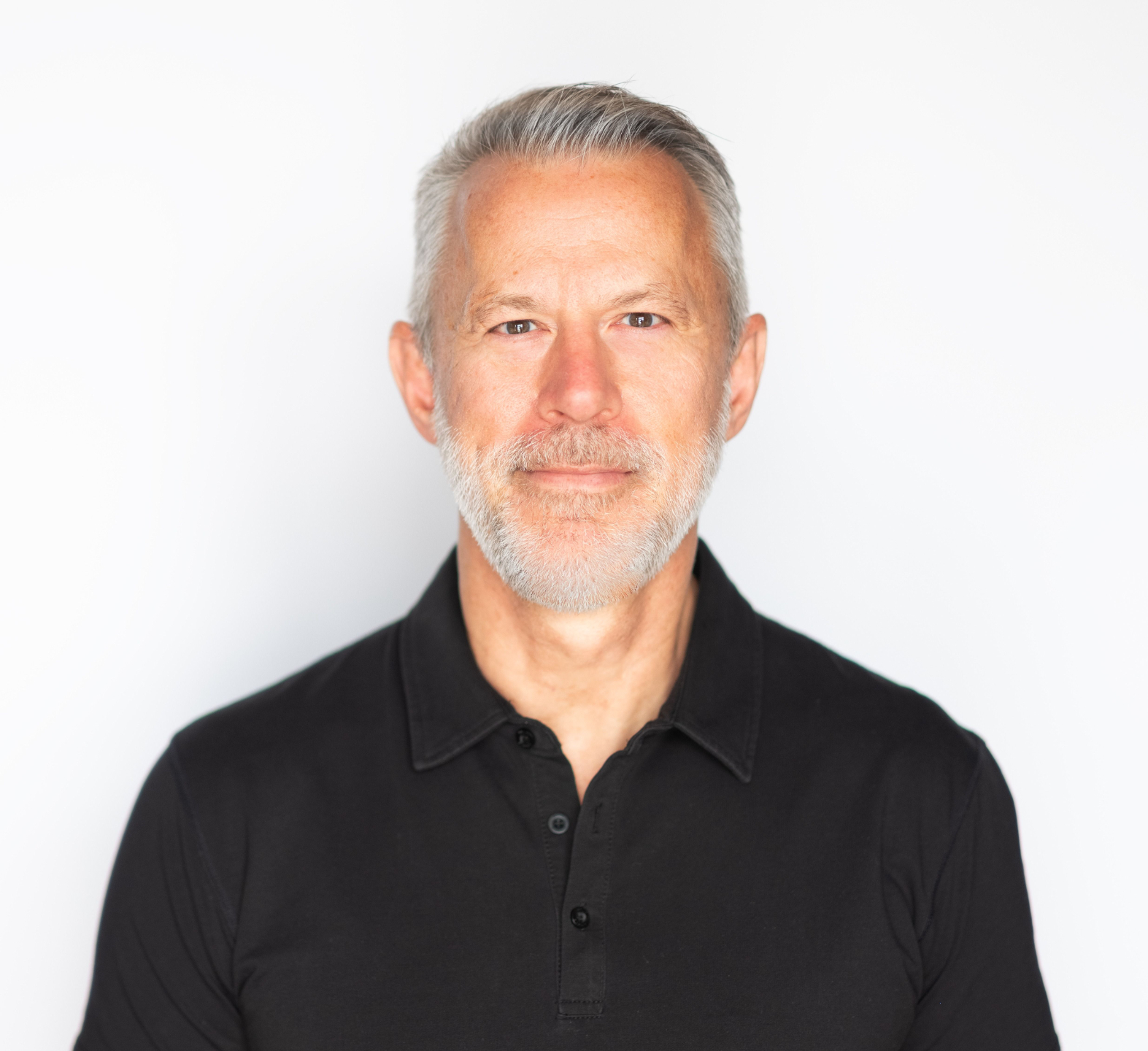
Group Sync was developed by Cliff Atkinson — trial communications consultant, author of Beyond Bullet Points, and the person who spent 20 years influencing group fields in America's highest-stakes courtrooms before he had the science to explain what he was doing.
Read Cliff's full story